Browse and download my landscape architecture and urban planning research essays and GIS reports here.
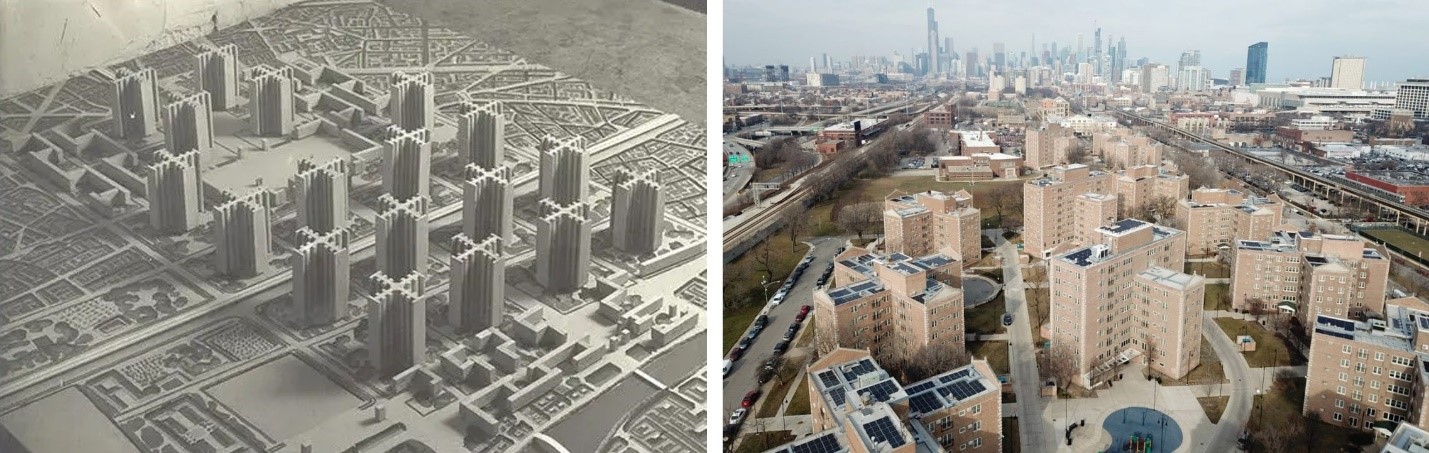
Chicago Public Housing: this essay details the history of Chicago’s public housing and urban renewal project. It examines authors’ assessments of the movement from different eras. Outlook on public housing construction and slum clearance was dependent on the era in which the author lived. While initially optimistic in the early years of the movement, c. 1960s, the public’s attitude changes with poor policy decisions by local leaders. What began as idyllic public assistance projects turned into gang havens and concentrations of poverty. Download the essay here.
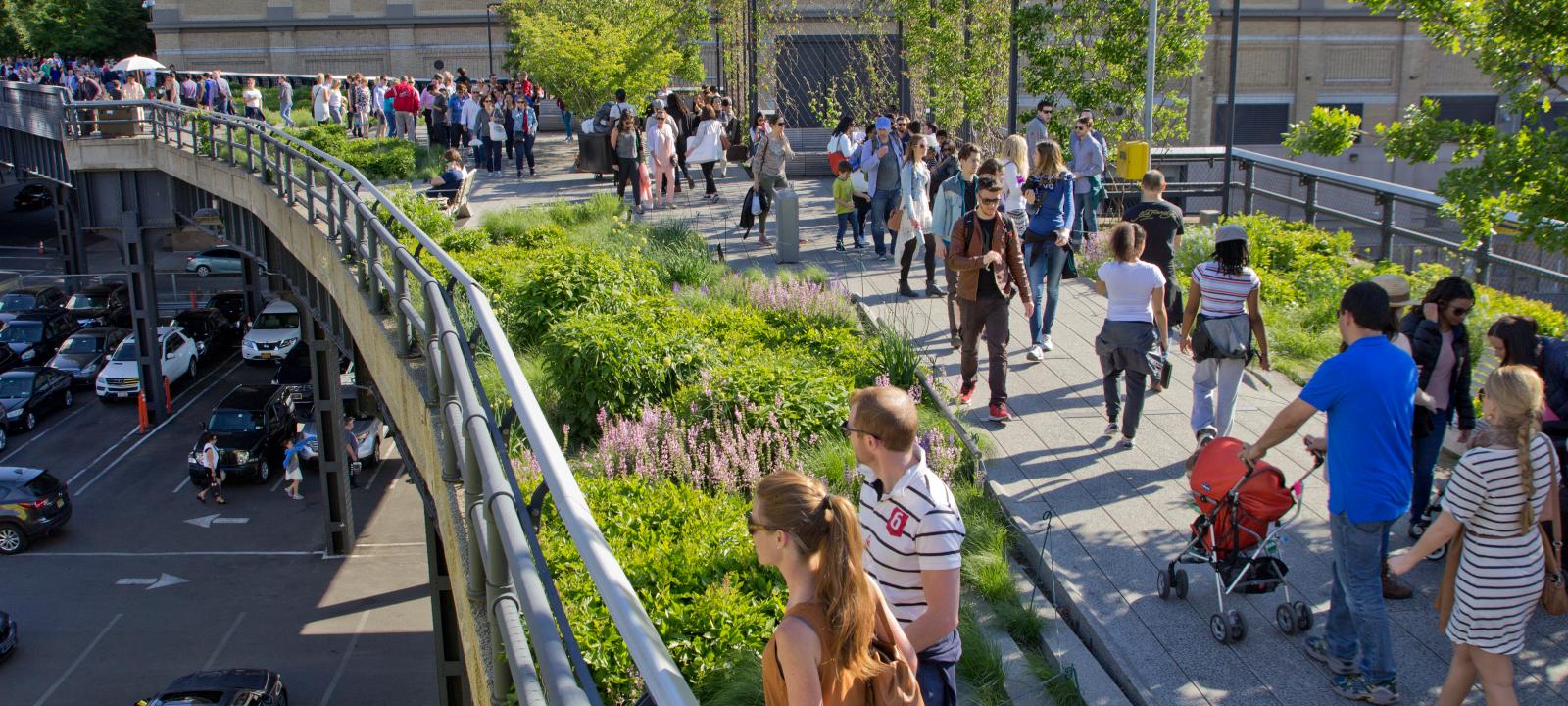
Through researching equitable development initiatives by major municipalities (Washington D.C. and Atlanta), I created an equitable development plan that puts in places stops for gentrification from park projects. This includes creating affordable housing for residents living near major park projects, workforce initiatives to employ local, low-income residents, and small business mentorship to boost the local economy once major projects are completed.
Major projects such as the High Line and Chicago’s 606 create enormous benefits for many, and including accompanying equitable development initiatives in the planning process ensures the park will benefit all residents and avoid local displacement. Download the essay and plan here.
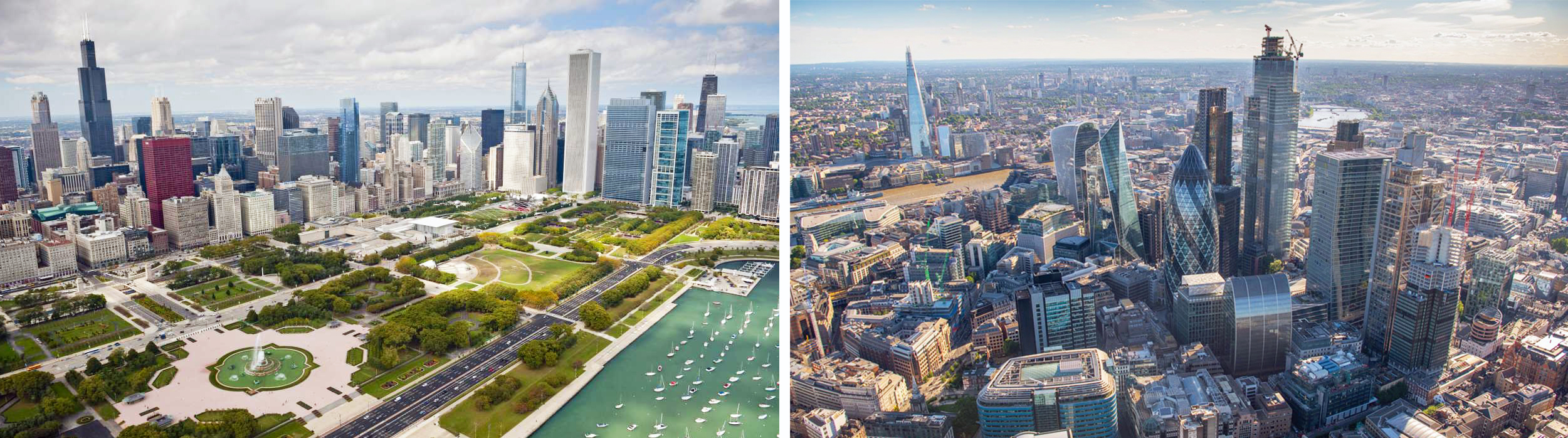
The 1970s and ’80s’ de-industrialization of Chicago and London resulted in large-scale blue-collar job loss coupled with an informal, modern economy. My essay explores the evolution of this economy and highlights people groups currently marginalized through this globalization process. Click here to read.
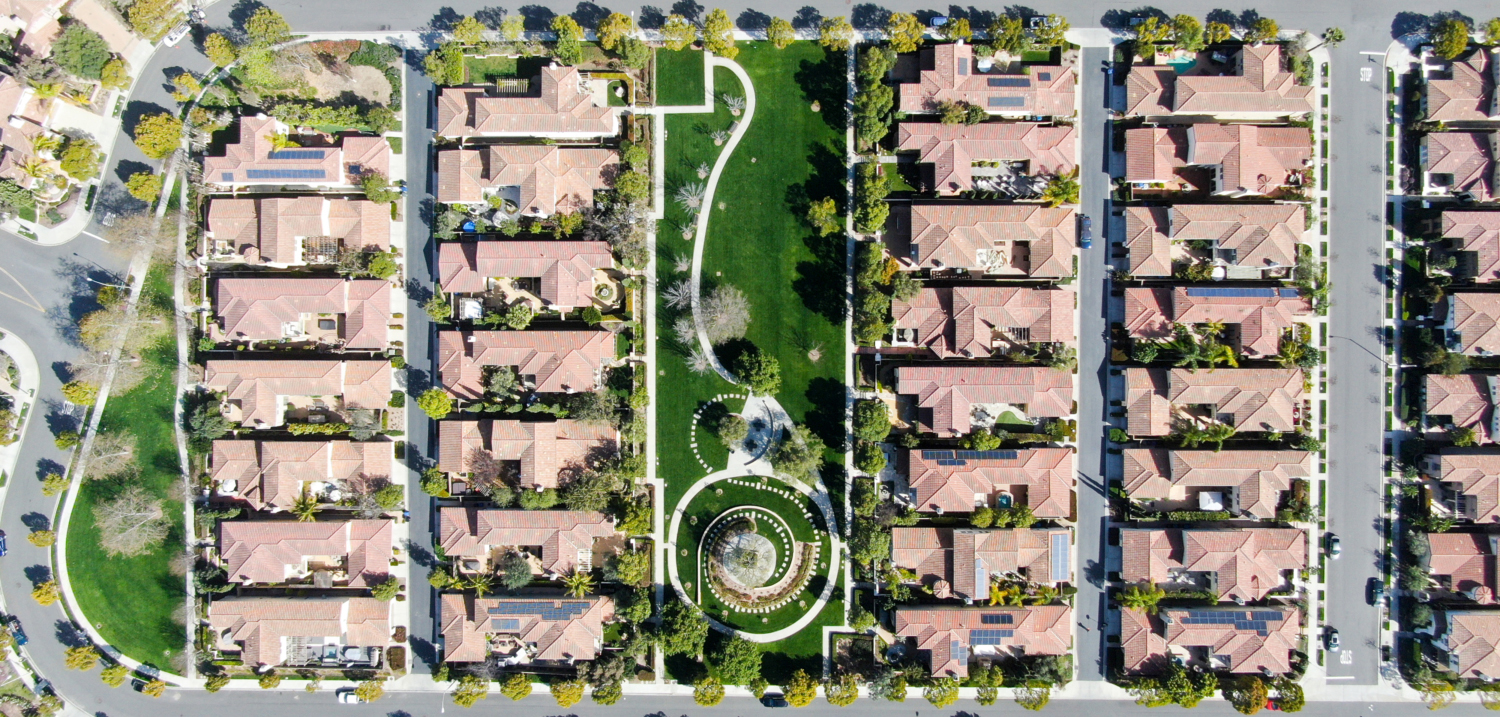
How can residential development be sited sustainably and still yield profit? This report (here) uses GIS to examine optimal residential siting.
The potential for an infill development is explored in Champaign. The site was site is contextualized through demographic and economic research. A design gives form to the space, provides for low-income residents in the neighborhood, and yields a profit for developers. Read the report here.

I review an APA award-winning plan that takes a multifaceted approach to sustainability – one that ensure not only environmental stewardship but cultural preservation. Read my plan review here.