LA 242 Implementation Strategies:
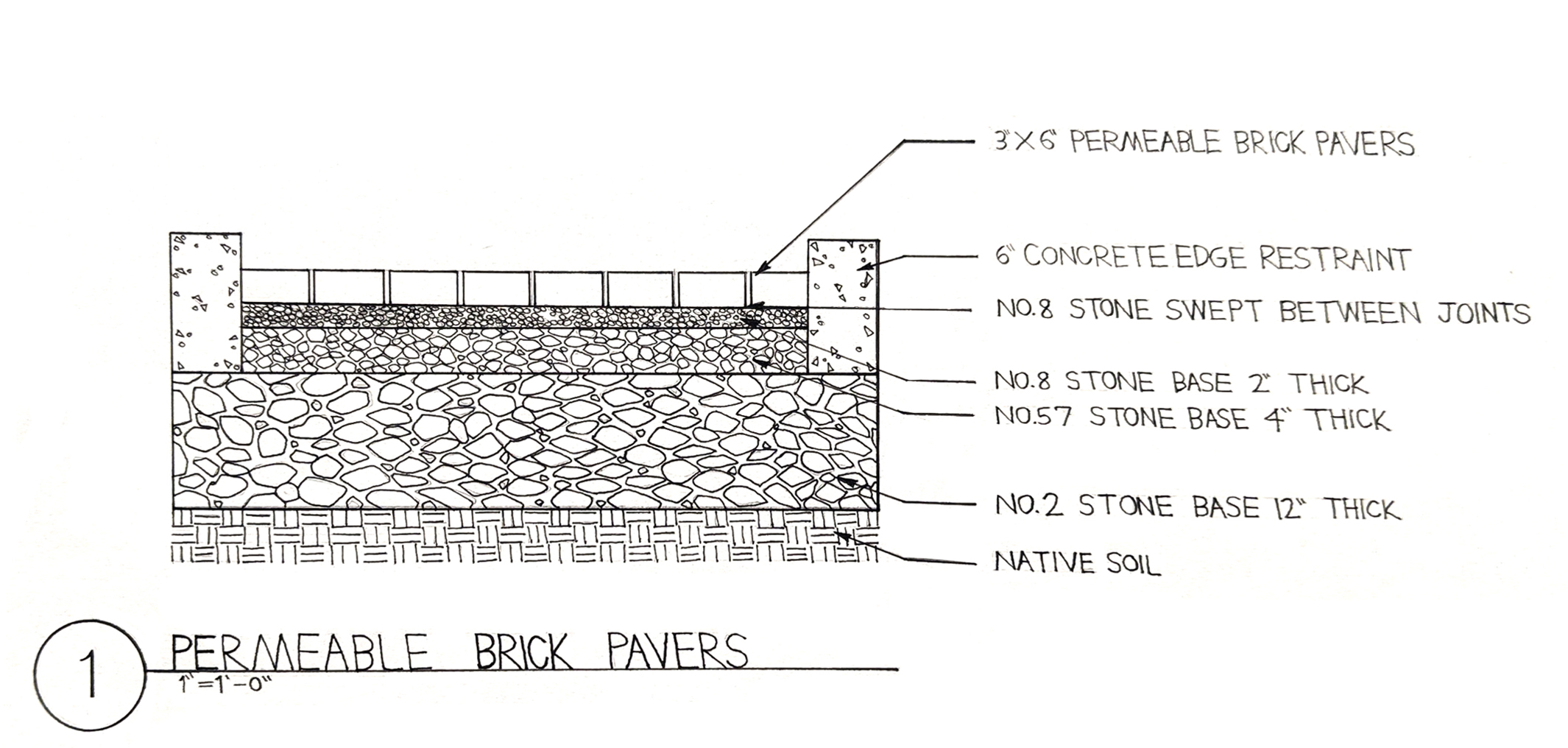
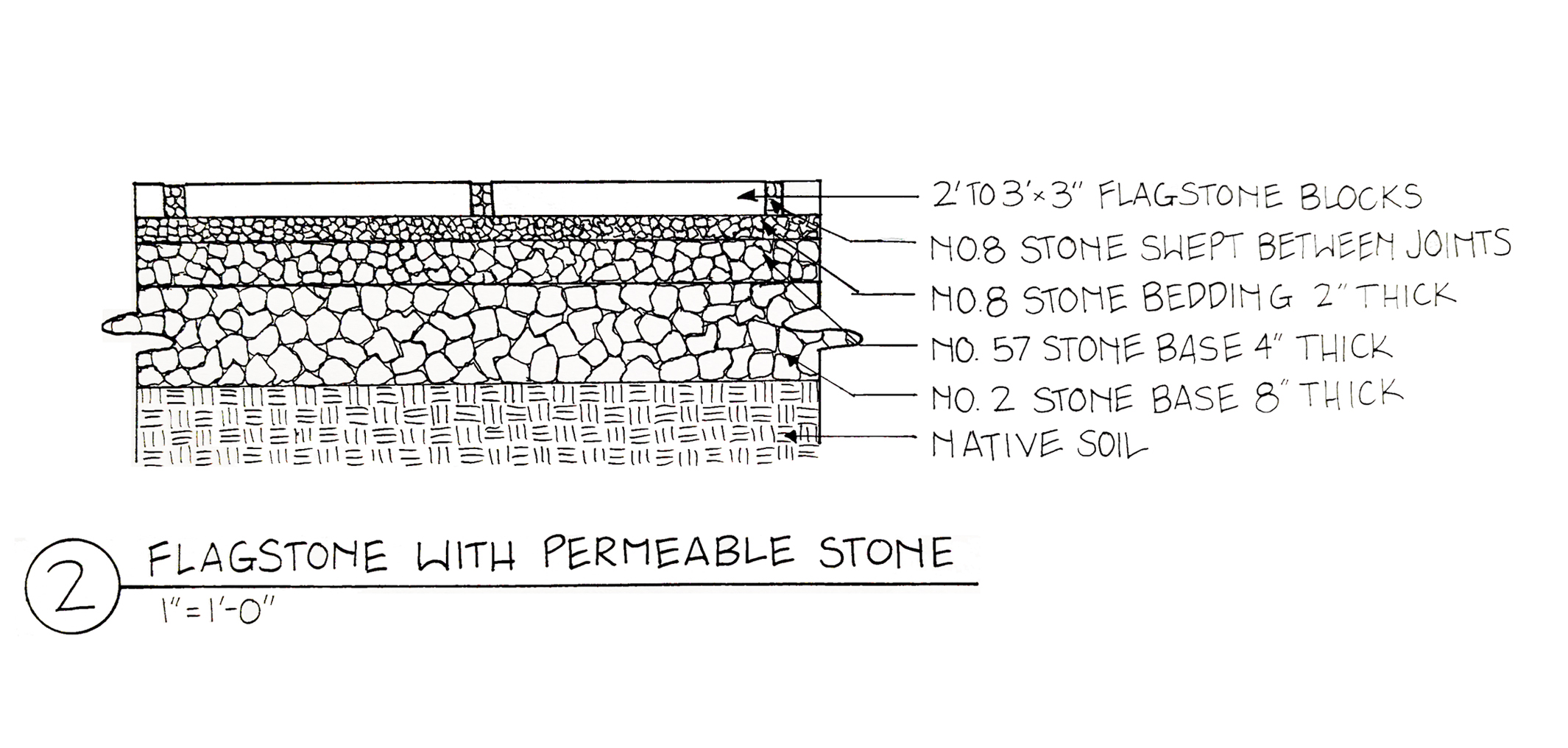
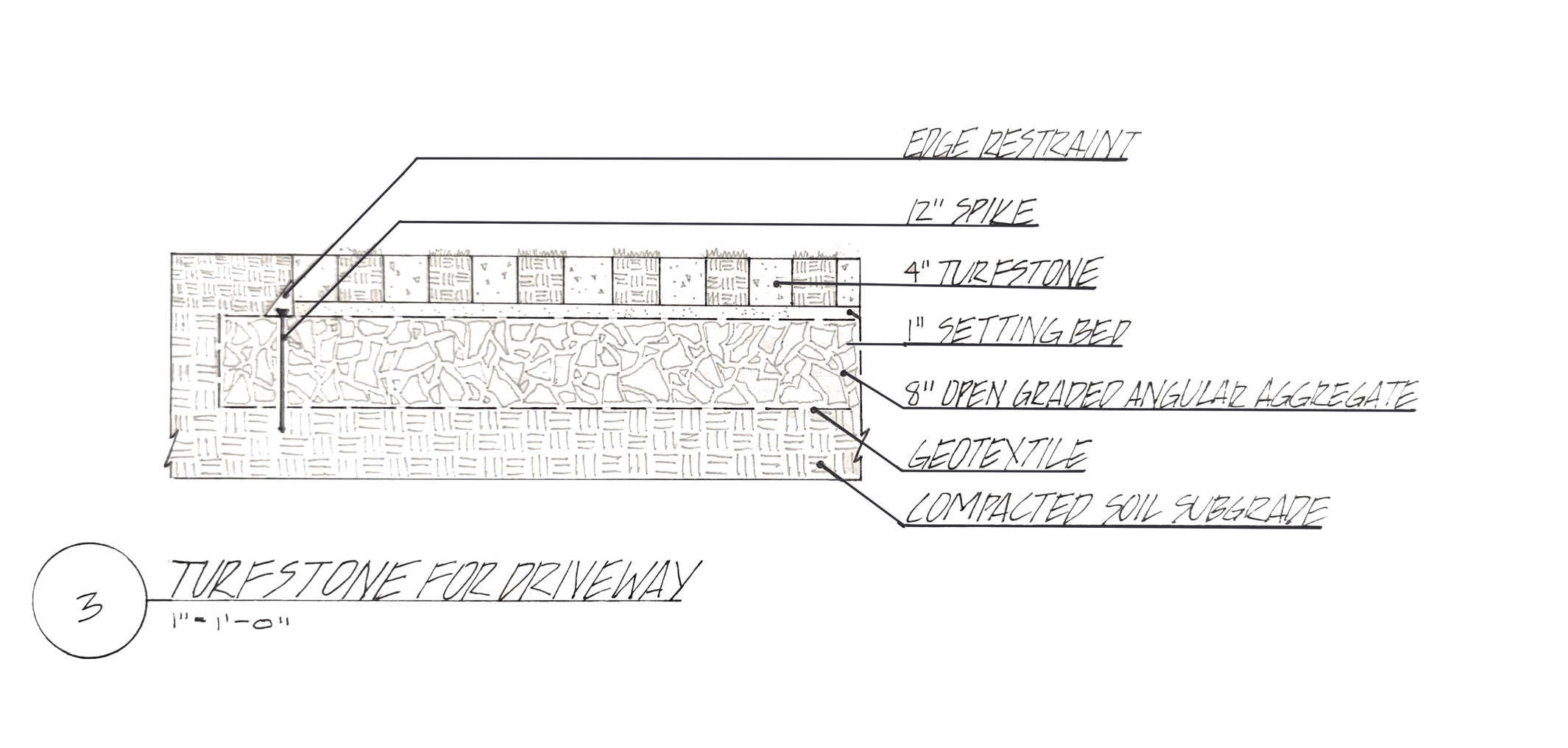
[Click on left image to play video]. The course focuses on green infrastructure tools for landscape architects such as bioswales, rain gardens, permeable pavement systems, turfstone, Silva Cells, CU soil and green roofs. The course employs three learning strategy types each week: lecture of the topic, field work analyzing a green infrastructure tool, and drawing work understanding the detailed components of its construction.
Students build permeable pavement (pavers, flagstone with permeable joints, turfstone) models with aggregates in tanks which circulate water and rain down on the system to emulate real storm events. Additionally, they learn new urbanism principles and designed bioswales integrated in complete streets.
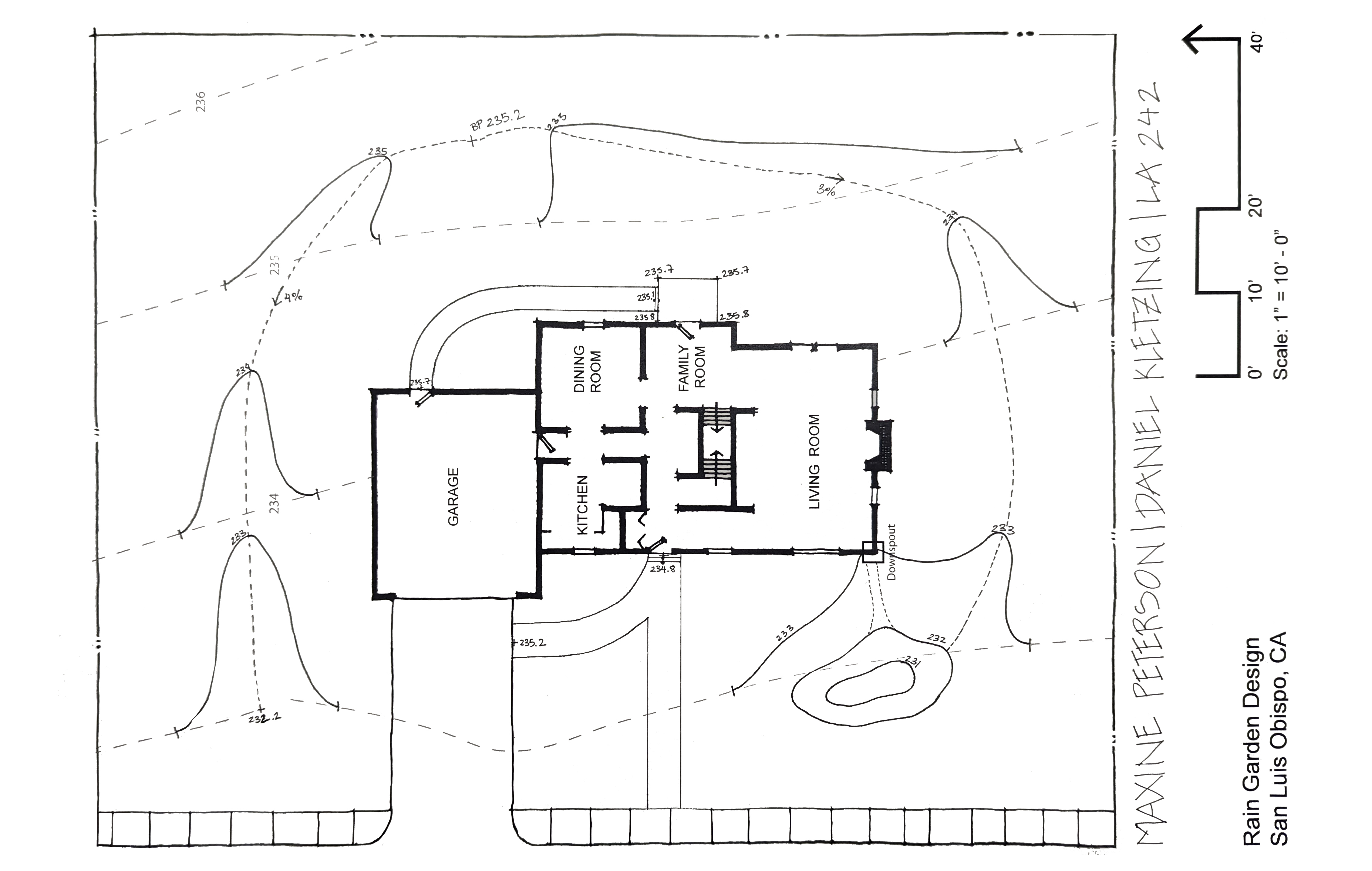
They designed rain gardens within a grading plan design while selecting rain garden plants. Also, students chose a roof to research and design a green roof retrofit, incorporating intensive and extensive green roof type designs while researching construction materials, user experience, and plant species.
Permeable Paver Models: using real materials, students learned the subsurface layer depths and materials that are important components to permeability for systems such as permeable pavers, turfstone, and flagstone with permeable joints. Students used pumps to circulate water and make the model precipitate on the pavers.

Rain Garden Project: Students learned rain garden technical and design features as constructed in residential applications. Students graded a residential site for water to flow into the rain garden, and then created the planting plan for the rain garden through research of which species prefer each rain garden zone (basin, slope, and edge conditions).

Bioswale and Permeable Hardscape Systems Sections: students learn the subsurface components of a bioswale system, permeable pavers, turfstone, and flagstone with permeable joints.

2
3
4
5
6
7
8
9
10
11
12
13
14